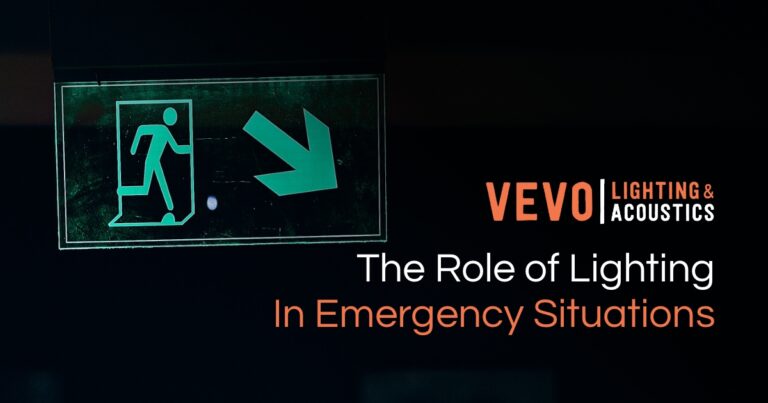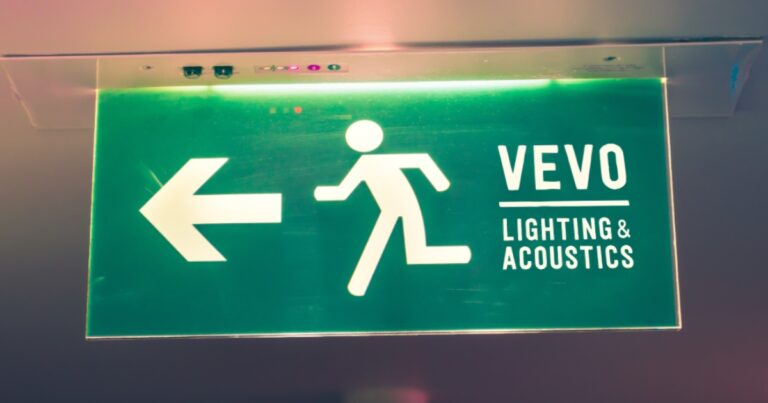














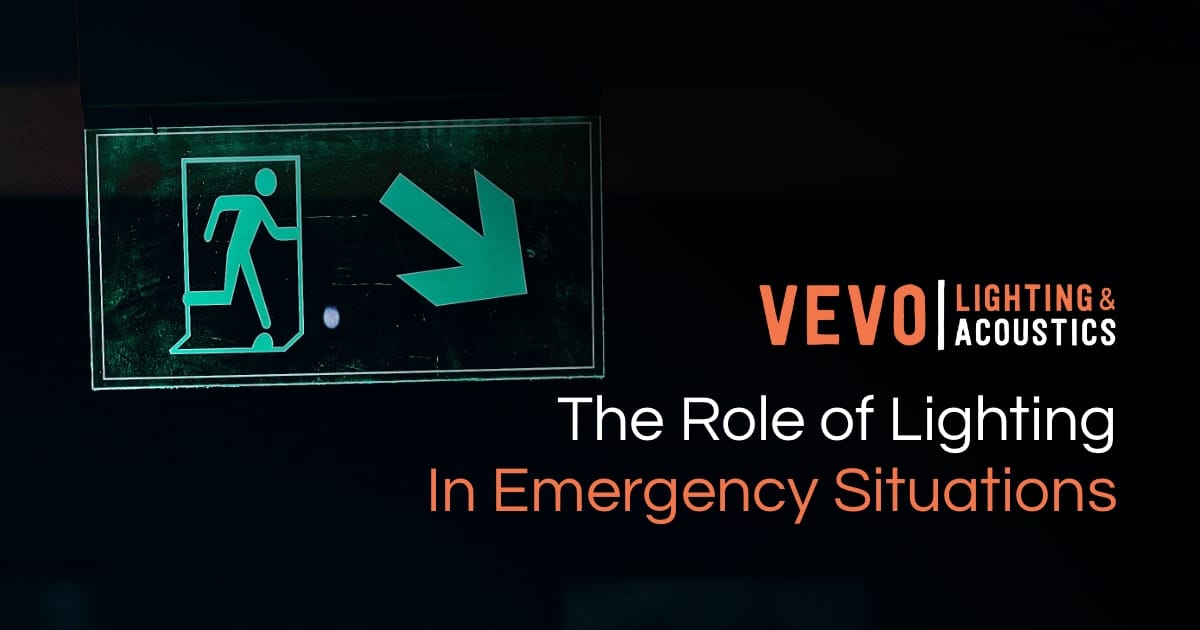
In emergency situations, particularly during power outages, effective lighting is crucial for ensuring safety, preventing panic, and facilitating orderly evacuations. Proper emergency lighting systems not only illuminate escape routes but also highlight safety equipment and critical areas, enabling occupants to navigate spaces safely.
Understanding Emergency Lighting
Emergency lighting is designed to activate automatically when a building’s main power supply fails. Its primary purpose is to provide sufficient illumination to allow occupants to evacuate safely or continue essential activities until normal lighting is restored. In the UK, the implementation of emergency lighting is a legal requirement in most public and commercial buildings, as outlined in the Regulatory Reform (Fire Safety) Order 2005.
Emergency lighting systems are typically categorised into:
- Escape Route Lighting: Illuminates paths leading to exits, ensuring they are visible and safe to traverse.
- Open Area (Anti-Panic) Lighting: Provides illumination in open spaces to prevent panic and guide occupants towards escape routes.
- High-Risk Task Area Lighting: Ensures that hazardous processes can be safely terminated during an emergency.
Best Practices for Emergency Lighting During Power Outages
Conduct Regular Risk Assessments: Evaluate your building to identify areas that require emergency lighting, considering factors such as building layout, occupancy, and specific hazards.
Install Appropriate Lighting Systems: Depending on the building’s needs, choose between self-contained units (which have their own power source) or centrally powered systems. Ensure that all escape routes, exits, and safety equipment are adequately illuminated.
Ensure Compliance with Standards: Adhere to the British Standard BS 5266, which provides guidelines for the installation and maintenance of emergency lighting systems. Compliance ensures that lighting is effective and reliable during emergencies.
Regular Maintenance and Testing: Implement a maintenance schedule that includes monthly functional tests and annual full-duration tests to ensure all components are operational. Promptly address any identified issues to maintain system reliability.
Educate Occupants: Inform building users about the locations of emergency exits and the function of emergency lighting systems. Regular drills can help familiarise occupants with evacuation procedures during power outages.
Consider Energy Efficiency: Opt for LED emergency lighting solutions, which are energy-efficient, durable, and have a longer lifespan compared to traditional lighting options. This choice can lead to cost savings and reduced maintenance.
Conclusion
Effective emergency lighting is a critical component of building safety, especially during power outages. By following best practices in assessment, installation, maintenance, and occupant education, organisations can ensure a safe environment and facilitate efficient evacuations during emergencies.