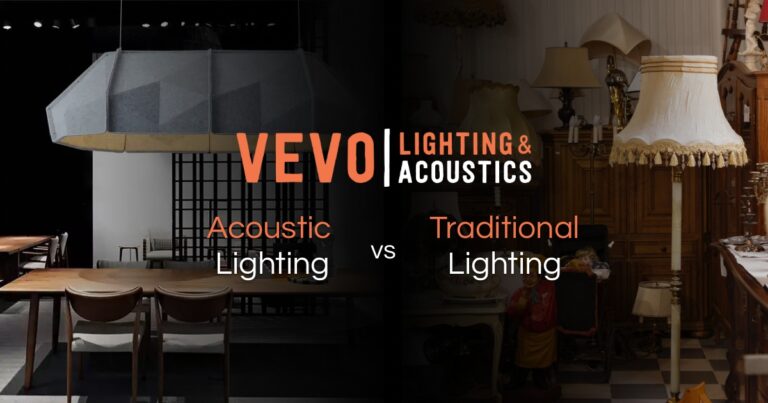

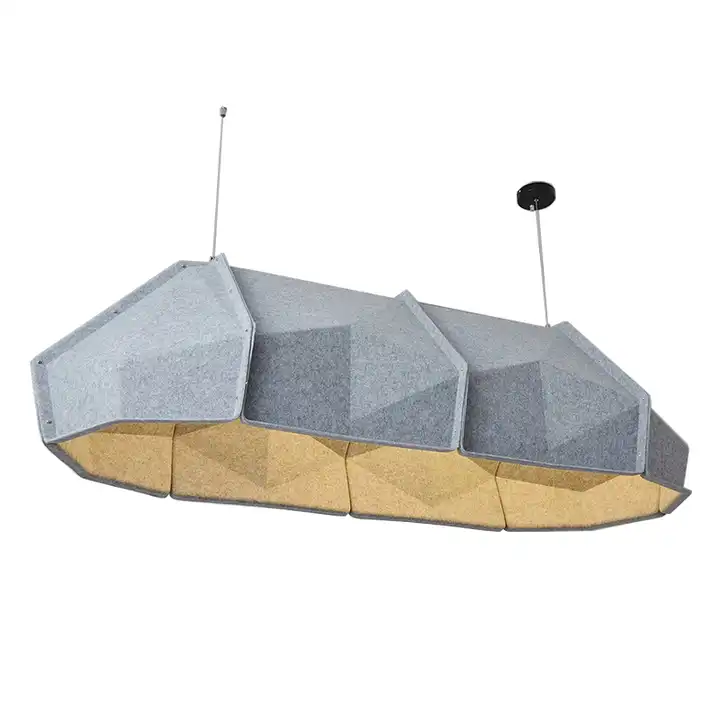
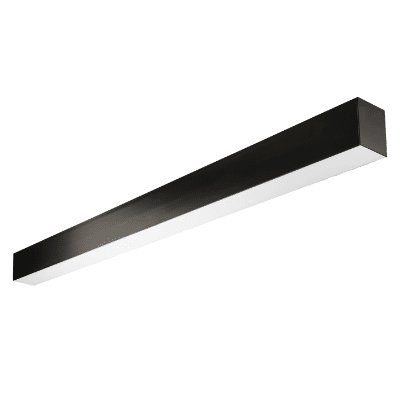
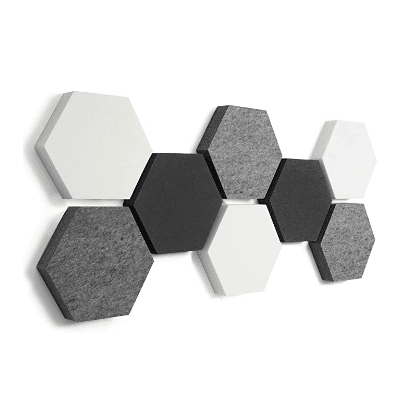
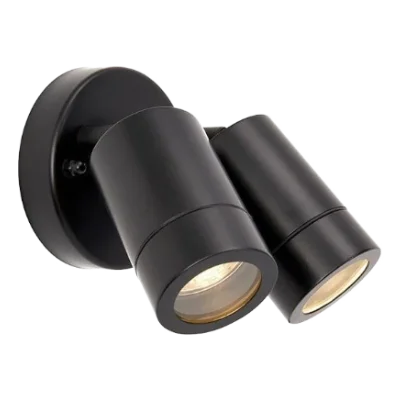
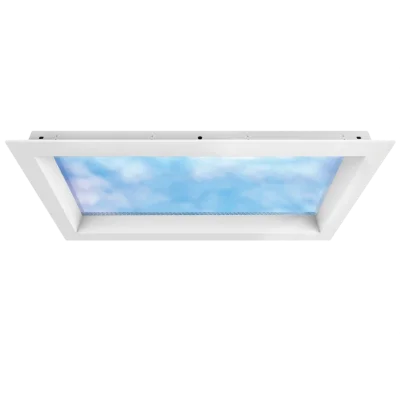
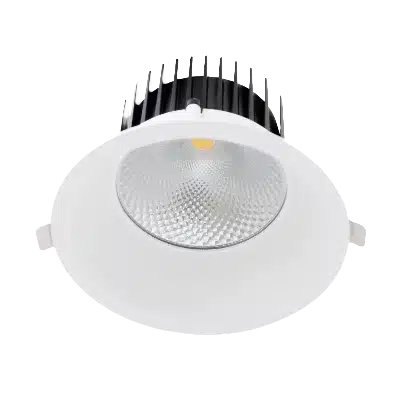
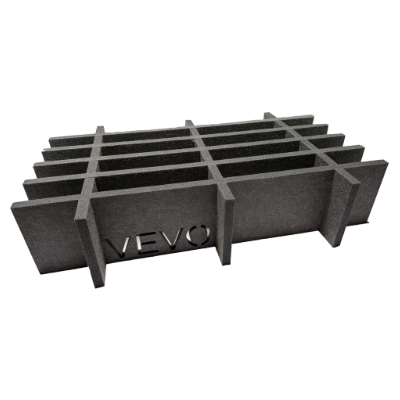










At VEVO Lighting & Acoustics, we specialise in creating spaces that are not only visually stunning but also acoustically optimised. Our range of high-quality acoustic wall tiles is designed to improve the auditory experience within any environment. Made from premium porous materials, our tiles are engineered to effectively absorb, diffuse, and dampen sound. This reduces unwanted noise and minimises echoes, allowing you to enjoy a quieter, more comfortable atmosphere.
Understanding Sound and Its Impact on Your Space
Sound travels in waves through air, water, or solid objects, and its behaviour can vary based on the type of surface it encounters. When sound waves hit hard surfaces like concrete, glass, or tile, they tend to reflect off them, creating echoes and reverberations. These reflections can make it difficult for sound to travel clearly, affecting both speech intelligibility and overall sound quality.
In environments such as offices, schools, hospitals, or public spaces, this can lead to an overwhelming amount of background noise. This excess noise can disrupt communication, hinder concentration, and even compromise privacy. For instance, in an office, the constant buzz of overlapping conversations or machinery can make it hard for individuals to focus on their tasks. Similarly, in a hospital, poor acoustics may interfere with patient care and rest.
The resulting noise can contribute to a chaotic, stressful environment. However, with the right acoustic treatment, the sound dynamics within your space can be dramatically improved, enhancing both productivity and well-being.
The VEVO Difference: How Our Acoustic Tiles Work
Our acoustic wall tiles are designed to tackle the very problems caused by poor acoustics. Let’s take a closer look at how these tiles work to enhance your space’s sound quality.
Sound Absorption: The Key to Reducing Noise
The primary function of our acoustic wall tiles is sound absorption. The effectiveness of these tiles largely comes from their material composition and structure. Acoustic tiles are typically made from porous materials such as foam, polyester fiber, felt, or mineral wood. These materials are full of tiny pores, channels, and cavities that trap sound waves as they travel through.
When sound waves encounter a porous surface, they slow down and lose energy as they pass through. The energy is dissipated in the form of heat, and this process reduces the overall volume of the sound in the room. As a result, the sound is “softer,” and the environment becomes quieter and more comfortable.
In rooms with a lot of hard surfaces—such as conference rooms, classrooms, or living areas—this absorption is critical to reducing the noise that would otherwise reflect and create disruptive echoes. The more porous the material, the better it is at absorbing sound across a wide range of frequencies.
Damping and Diffusion: Reducing Echoes and Reverberations
Another crucial feature of our acoustic wall tiles is their ability to dampen and diffuse sound. While sound absorption reduces the volume of the sound, damping and diffusion work to scatter sound waves and disperse them in various directions.
Unlike smooth, reflective surfaces that send sound directly back into the room, our tiles feature textured and irregular surfaces that break up sound waves. These surfaces prevent sound from bouncing back toward the listener, which reduces the intensity of echoes and reverberation.
For example, a large room with reflective surfaces may cause speech to sound muffled or garbled due to echoes. By introducing acoustic tiles, the sound is scattered and dispersed evenly, which leads to clearer speech and more balanced sound quality. This effect is particularly beneficial in environments where clear communication is critical, such as meeting rooms, conference halls, classrooms, and recording studios.
Material Thickness and Density: Tailoring Sound Control
The performance of acoustic wall tiles also depends on their thickness and density. Thicker, denser materials are more effective at absorbing low-frequency sounds (bass-heavy noises), while thinner materials may work better for high-frequency sounds (such as speech or sharp noises). Understanding this balance is crucial when selecting the right tiles for your space.
In environments where low-frequency noise is a concern—such as in theaters, concert halls, or spaces near heavy machinery—a denser material may be necessary to absorb and prevent the deep rumbles and vibrations that can disturb a peaceful environment. For spaces with higher-pitched sounds, such as offices or classrooms, thinner materials may suffice for adequate sound absorption.
Aesthetic Flexibility: Acoustic Tiles That Complement Your Space
At VEVO Lighting & Acoustics, we understand that functionality should not come at the expense of design. Our acoustic wall tiles are available in a variety of styles, colours, and shapes, allowing them to seamlessly blend into your existing décor. Whether you prefer a minimalist aesthetic with sleek, modern tiles or a more decorative approach with bold patterns and textures, we have a wide range of options to suit your taste.
Why Choose VEVO Lighting & Acoustics?
At VEVO Lighting & Acoustics, we are committed to providing high-quality acoustic solutions that enhance both the sound environment and the overall look of your space. Whether you are dealing with excessive noise in an office, striving for better acoustics in a classroom, or creating a quiet retreat at home, our team is here to help.
With our wide selection of acoustic lighting and wall tiles, we can help transform your space into a peaceful, productive, and visually appealing environment. Our team of experts is available to assist with product selection and installation, ensuring that your space benefits from optimal acoustic treatment.
Ready to transform your space with effective, stylish sound solutions? Contact VEVO Lighting & Acoustics today. Let us help you create a room that looks great and sounds even better.